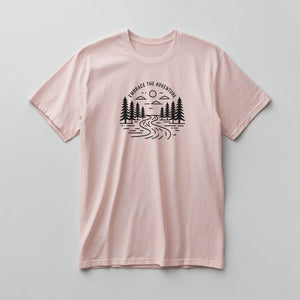
Outdoor Apparel Basics: A Complete Guide to Clothing and Gear for the Outdoors
Quick Answer: An outdoor clothing guide starts with understanding what you already own and what each item does. Build around three principles: a moisture-managing base layer next to skin, an insulating mid layer for warmth, and a waterproof outer layer for UK weather. Cotton works well for casual walks in dry, moderate conditions but loses insulation when wet, so merino or synthetics suit more demanding days. Fit varies by layer type, and proper care extends the life of everything in your wardrobe. The best outdoor kit grows with experience, not with a single shopping trip.
Why Most Outdoor Clothing Advice Starts in the Wrong Place
The drawer sticks halfway, the way it always does. You pull it open and start lifting things out. A cotton t-shirt, soft from years of washing, goes on the bed first without thinking. It is the one you always reach for. Next to it, a fleece with a zip toggle that snapped off sometime last autumn. You keep meaning to replace it. The toggle, not the fleece.
The waterproof jacket hangs by the front door where you left it after the last walk. You check the pockets: a car park ticket from somewhere in the Peaks, a tissue that has been through the wash, a hair tie you do not remember putting there. The boots underneath still have dried mud in the treads. Three weeks, at least. You meant to clean them.
Your phone shows tomorrow's forecast for the Peak District. "Variable," which tells you everything and nothing. Twelve degrees at the car park, dropping to eight on the tops, wind from the west, forty percent chance of rain in the afternoon. You lay out what you have on the bed and look at it. T-shirt, fleece, waterproof. You do not think of it as a layering system. You think of it as getting dressed.
Most outdoor clothing advice begins with a shopping list. The merino base layer you should buy. The technical mid layer you need. The three-hundred-pound hardshell that will keep you dry. But standing here, looking at what is already on the bed, you probably have most of what you need for tomorrow's walk. Understanding what each item actually does, and recognising when your existing wardrobe stops being enough, is more useful than another list of things to purchase.
This is an outdoor clothing guide that starts from your drawer, not from a shop. It covers fabrics, layering, fit, seasonal dressing, care, and the honest question of when technical gear earns its cost. Some of it will confirm what you already suspected. Some of it might change how you think about what you already own.
Understanding Outdoor Fabrics
Every fabric in your wardrobe has a job, and understanding what each material does well (and where it falls short) changes how you choose what to wear. The difference between a comfortable walk and a miserable one often comes down to whether your clothing matched the conditions, not whether it was expensive.
Here is how the main outdoor fabrics compare:
| Fabric | Warmth When Wet | Drying Speed | Odour Resistance | Best Use Cases | Limitations |
|---|---|---|---|---|---|
| Cotton | Poor, loses insulation | Slow | Good for short outings | Casual walks, moderate dry conditions, around camp, everyday wear | Absorbs moisture, dangerous in cold/wet hill conditions |
| Merino Wool | Good, retains warmth | Moderate | Excellent | Base layers, active walking, multi-day use, variable conditions | Cost, durability with heavy use, slower drying than synthetic |
| Polyester | Moderate | Fast | Poor (holds odour) | Base layers, active hiking, budget-friendly option | Synthetic feel, odour build-up over time |
| Nylon | Moderate | Fast | Moderate | Outer layers, wind protection, durable shells | Can be less breathable depending on construction, less soft against skin |
| Blends (Cotton/Poly) | Moderate | Moderate | Moderate | Casual outdoor, transitional conditions | Compromise: neither cotton's comfort nor synthetic's performance fully |
Cotton deserves an honest conversation. The old mountaineering warning about cotton has some truth behind it, but it was coined for extreme conditions: high-altitude, sustained cold, remote terrain where staying wet means serious danger. For a three-hour walk on a dry spring afternoon, or an evening around a campsite in July, a cotton t-shirt is comfortable, breathable, and perfectly appropriate. The trouble arrives when conditions change and cotton cannot keep up. It absorbs moisture readily and dries slowly, so if you are sweating on a steep climb and then stop in wind on an exposed ridge, cotton chills you in a way that merino or polyester will not. The practical rule is this: match the fabric to the day. For moderate conditions and accessible paths, cotton is fine. A well-made cotton t-shirt at a decent weight handles regular outdoor use with comfort that synthetics struggle to match. For cold, wet, or high-exertion days where you cannot afford to get chilled, choose merino or synthetic.
The same logic applies to mid layers. A cotton hoodie works well for spring rambles, autumn dog walks, and evenings around camp, where breathability and natural temperature regulation matter more than technical moisture wicking. When conditions demand more, a synthetic fleece or merino mid layer steps in.
Merino wool has earned its reputation for good reason. It regulates temperature across a wide range, resists odour far better than synthetics, and retains warmth even when damp. The trade-off is cost and durability: merino base layers wear through faster under heavy rucksack straps and cost more to replace. Polyester base layers dry faster and cost less, but they develop odour quickly, especially over multi-day use.
For a deeper look at how each fabric performs across conditions and activities, understanding your fabric options helps with every gear decision you will make.
The Layering System (and Why It Works)
The three-layer system is not complicated, but it works better when you understand why rather than just following a formula. Each layer has a specific job, and adjusting them throughout a walk is what keeps you comfortable.
Base layer sits next to your skin. Its job is moisture management: moving sweat away from your body so you do not cool down when you stop. Close-fitting base layers work best because fabric needs skin contact to wick moisture. Merino and synthetic fabrics handle this well. Cotton works here on dry, moderate days but becomes a problem when sweat accumulates.
Mid layer provides insulation. Fleece, down, and synthetic insulated jackets all trap warm air between fibres, keeping body heat close. A good mid layer is the one you remove twenty minutes into a climb and add back for summit stops and lunch breaks. It needs to be easy to take on and off, and it needs to fit over your base layer without bunching.
Outer layer blocks wind and rain. In UK conditions, this usually means a waterproof jacket. Breathability matters here: a fully waterproof shell that traps all your moisture inside defeats the purpose. Look for jackets that balance waterproofing with ventilation, whether through pit zips, breathable membranes, or both.
The real skill is adjustment. Static layering, putting everything on at the start and leaving it, fails because walking is not a single activity. You generate heat on climbs, lose it on descents, and experience different conditions at the car park than on the tops. Carrying layers and swapping them throughout the day is what makes the system work. For the full picture on how layering fundamentals apply to different conditions, it is worth understanding the principles behind each layer in more detail.
The seasonal table below shows how these layers combine across UK conditions:
| Season | Typical UK Conditions | Base Layer | Mid Layer | Outer Layer | Notes |
|---|---|---|---|---|---|
| Spring (Mar-May) | 6-14°C, variable, showers | Lightweight synthetic or cotton tee | Fleece or hoodie (removable) | Lightweight waterproof | Conditions change hour by hour. Carry layers even if warm at start |
| Summer (Jun-Aug) | 14-22°C, occasional rain | Cotton t-shirt or light synthetic | Usually not needed, carry a light layer | Packable waterproof (just in case) | UK summers are mild by global standards. Always carry rain protection |
| Autumn (Sep-Nov) | 4-14°C, rain, wind, shorter days | Merino or synthetic base | Fleece, hoodie, or softshell | Waterproof jacket + consider waterproof trousers | Daylight hours shrink fast. Plan return before dark |
| Winter (Dec-Feb) | -2-8°C, wind chill, potential ice | Merino or warm synthetic | Insulating mid (fleece, down) | Full waterproof shell + trousers | Hill conditions significantly harsher than valley. Check forecasts |
How Outdoor Clothing Should Fit
Fit is the thing nobody talks about, and it matters more than most people realise. Buying the same size in every layer is a common mistake, and it is one that undermines how the layering system actually works.
Each layer needs a different amount of room. A base layer should be close-fitting, sitting against skin without compression. If it is baggy, moisture sits in the loose fabric instead of wicking away. A mid layer needs slightly more room: enough to fit over the base layer without restricting movement, and enough to trap a thin layer of insulating air. An outer layer needs the most room of all, because it has to fit over everything underneath while still allowing you to reach overhead, bend, and move freely.
The practical test is simple. Put on your base layer and mid layer, then try your waterproof jacket over the top. Lift your arms above your head. Bend at the waist. Can you move without the jacket riding up or pulling tight across the chest? If you feel restricted, the outer layer is too small for your layering combination, even if the label says it is the right size.
The same applies to trousers. Waterproof overtrousers need to fit over your walking trousers and boots, which means buying them larger than your usual size. If you have to fight them on at the trailhead while rain is already falling, they are too tight.
Body shapes vary widely, and size labels across brands are inconsistent. A medium from one manufacturer fits differently from a medium elsewhere. The measurements that matter are chest, waist, hip, and sleeve length, measured over the layers you intend to wear underneath. For detailed guidance on how to find the right fit across layer types and brands, there is more to consider than a single size chart can show.
Dressing for UK Seasons
UK weather resists simple advice. A March morning that starts at 4°C can reach 14°C by lunch. A July afternoon can turn from warm sunshine to heavy rain in twenty minutes. Dressing for UK seasons means accepting variability and carrying options.
Spring is the most unpredictable. Snow on the higher ground in March is not unusual, but April can deliver warm, dry days that feel like early summer. The strategy is flexibility: start cool, carry warm, always have a waterproof. Removable layers matter more in spring than in any other season.
Summer in the UK is milder than most people expect. Even in late July, temperatures rarely climb above 22°C in the uplands, and hill-top wind makes it cooler still. A waterproof stays in the rucksack even on the brightest days because UK summers can produce rain with little warning. Cotton base layers work comfortably for most summer walks, and a mid layer stuffed in the top of a pack provides insurance for summit stops.
Autumn brings the most rapid change. Daylight hours shorten noticeably from September, and temperatures can drop several degrees between early and late October. Wind picks up across exposed ground. Waterproof trousers move from optional to sensible for most hill days. The shift from cotton to merino or synthetic base layers usually happens naturally as conditions cool.
Winter on UK hills is a different proposition entirely. Valley conditions at 5°C with light rain become summit conditions at -5°C with driving wind and limited visibility. Winter hill walking requires proper planning, proper equipment, and checking conditions before setting out. Even for lower-level walks, shorter days mean starting earlier and carrying a head torch as standard.
For more on choosing clothing for specific conditions and climates, seasonal adjustments go deeper than just adding more layers.
Fabric Weight, Durability and Construction
Not all garments of the same fabric type perform equally. A 130gsm cotton t-shirt feels thin and light. A 180gsm version of the same fabric has noticeably more substance, warmth, and durability. GSM (grams per square metre) measures fabric density, and it is worth paying attention to when comparing items.
For cotton t-shirts, 160-200gsm is the range that balances durability with comfort for outdoor wear. Below that, fabric wears thin quickly. Above it, the garment starts feeling heavy for active use. For fleece mid layers, the same principle applies: lightweight fleece (100gsm) works for high-output activities, mid-weight (200gsm) covers most UK conditions, and heavyweight (300gsm) suits cold, static situations.
Construction quality shows up in the details. Turn a waterproof jacket inside out and look at the seam taping. Fully taped seams prevent water ingress along stitching lines. Sealed zips do the same for pockets and vents. On base layers, flatlock seams reduce chafing under rucksack straps. These details are easy to check before buying and make a meaningful difference to how long a garment performs.
Durability is not just about fabric weight. Reinforced high-wear areas, quality zip hardware, and properly finished hems all extend lifespan. Two garments at the same price can differ significantly in construction quality. For a closer look at what to check and why construction matters, small details make the biggest difference over time. Understanding how fabric weight and GSM numbers translate to real-world performance helps when comparing garments that look similar on the hanger.
When to Invest in Technical Gear (and When You Don't Need To)
This is where most outdoor clothing guides lose their honesty. Retailers have a financial interest in recommending that you buy technical gear for every occasion. The reality is that your activity level and the conditions you walk in determine what you need, and many people already own most of it.
Here is a straightforward decision framework:
| Activity Type | What You Likely Own Already | What You Might Need | When to Invest |
|---|---|---|---|
| Short local walks (1-2 hours, paths) | Cotton t-shirt, fleece or hoodie, waterproof jacket, comfortable shoes | Walking socks, daypack | Only if your shoes cause blisters or your jacket leaks |
| Half-day countryside walks (3-5 hours) | Most of the above, plus comfortable trousers | Base layer for cooler months, proper walking shoes or boots | When you are walking regularly and comfort matters on longer days |
| Full-day hill walks (6+ hours, elevation) | Some of the above transfers | Base layer (merino or synthetic), mid layer, waterproof trousers, walking boots, rucksack | Before your first big hill day: this is where technical gear earns its cost |
| Multi-day / wild camping | Limited crossover from casual wardrobe | Most items need to be purpose-chosen for weight, packability, and conditions | Invest systematically. Prioritise waterproofs and footwear first |
The "What You Likely Own Already" column is the one most guides leave out. For a two-hour walk on local paths in decent weather, your everyday wardrobe covers the basics. Nobody needs a merino base layer for a Sunday afternoon along the canal.
The honest threshold is this: technical gear earns its cost when walks get longer, higher, and more exposed. A three-hour valley walk in June does not require the same kit as a seven-hour ridge walk in November. The gap between those two days is where investment decisions actually matter.
If and when you do decide to invest, here is a sensible priority order:
| Priority | Item | Why It Matters Most | Approximate Cost Range |
|---|---|---|---|
| 1 | Waterproof jacket | UK weather is non-negotiable. This is the one item worth investing in early | £60-£200 |
| 2 | Walking footwear | Comfort on longer walks depends on proper shoes or boots | £50-£150 |
| 3 | Base layer (merino/synthetic) | Makes the biggest difference to comfort during active walking | £20-£60 |
| 4 | Walking socks | Cheap upgrade that prevents blisters and improves comfort immediately | £8-£20 |
| 5 | Mid layer (fleece or insulated) | Only needed when you start walking in colder conditions regularly | £30-£100 |
Start with what you have. Add what you need. Let experience guide you rather than marketing. When you are ready to invest, knowing what to look for when buying outdoor gear saves money and prevents the wrong purchase.
Accessories That Make a Difference
The biggest comfort improvement most walkers can make costs under twenty pounds: proper walking socks. The difference between cotton sports socks and cushioned walking socks with reinforced heels is noticeable within the first hour of any walk. Blisters are the single most common complaint on longer days, and socks are the single most effective prevention.
Beyond socks, accessories follow the same principle as clothing: match them to conditions. A warm hat and gloves are essential from October onwards. You lose significant heat through your head and hands, and both are cheap to carry and easy to pull on when temperatures drop. A buff or neck gaiter adds versatile warmth that can double as a headband, face covering, or wrist warmer.
Gaiters are worth considering if you walk regularly in wet or muddy terrain. They keep water, mud, and debris out of your boots, which protects both your footwear and your socks. For winter hill walking, they become more standard than optional.
The point is not to accumulate accessories for their own sake. One good pair of socks, one warm hat, and a pair of lightweight gloves cover most UK conditions from autumn through spring. Summer often needs nothing more than sunglasses and a peaked cap. For more on which accessories matter and when, the full picture is simpler than gear lists make it seem.
Looking After Your Outdoor Clothing
The clothing that lasts longest is the clothing that gets looked after, and outdoor gear care is simpler than most people assume.
Wash outdoor layers on cool cycles. Technical fabrics, especially waterproofs and base layers, perform worse when washed with regular detergent at high temperatures. Use a technical wash product for waterproofs and a gentle cycle for everything else. Air dry rather than tumble dry where possible, as regular high-heat drying degrades elastic fibres over time. Waterproof jackets are the exception: a brief tumble on low heat can help reactivate DWR coatings after washing.
Reproof your waterproof jacket when water stops beading on the surface. This usually means once a season for regular use. Wash-in and spray-on reproofing treatments are both effective and take less than an hour. A jacket that soaks through is not necessarily broken. It often just needs its Durable Water Repellent (DWR) coating refreshed.
Store gear dry and loosely. Down jackets stuffed in compression sacks for months lose loft. Waterproof jackets hung in a wardrobe keep their shape and membrane integrity better than those rolled up in a drawer. Boots benefit from being cleaned, dried, and stored upright rather than left by the back door.
Proper care is not about being fastidious. It is about getting more years from what you already own, spending less on replacements, and keeping your gear performing the way it should. For comprehensive guidance on maintaining and extending the life of outdoor clothing, the basics make a significant difference.
Common Questions About Outdoor Clothing
Q: Is cotton OK for hiking?
A: It depends on the conditions and intensity. For casual walks on dry days in moderate UK temperatures (10-20°C), a cotton t-shirt or hoodie works well. It is comfortable, breathable, and you probably already own it. For hill walking in wet or cold conditions where you are sweating and exposed to wind, cotton absorbs moisture and loses insulation, making merino or synthetic the better choice.
Q: Do I need expensive outdoor clothing?
A: For most casual walking, your existing wardrobe covers the basics. A good waterproof jacket is the single most worthwhile investment for UK conditions. Beyond that, add items as your experience grows and you notice specific gaps in comfort or performance. The need for expensive technical gear correlates directly with how long, high, and exposed your walks become.
Q: How should outdoor clothing fit?
A: Each layer has different fit requirements. Base layers should be close-fitting for effective moisture management. Mid layers need slightly more room to trap insulating air and fit over base layers comfortably. Outer layers need to be roomy enough to accommodate everything underneath without restricting movement.
Q: How do I care for outdoor clothing?
A: Wash outdoor clothing on cool cycles with technical detergents where appropriate. Air dry rather than tumble dry. Reproof waterproof jackets every season or when water stops beading on the surface. Store gear dry and loosely rather than compressed. Proper care extends lifespan significantly and costs very little.
Q: What fabric is best for outdoor clothing?
A: There is no single best fabric. It depends on conditions, activity level, and personal preference. Merino wool excels at temperature regulation and odour resistance. Synthetics dry fastest and offer the best value. Cotton is comfortable for moderate conditions and casual use. Most experienced walkers use a mix of all three across different situations.
Q: What should I wear walking in the rain in the UK?
A: A waterproof jacket is essential. Add waterproof trousers if rain is heavy or sustained. Underneath, avoid cotton base layers in cold rain because they stay wet and chill you. Choose merino or synthetic instead. Good waterproof footwear matters more than people expect. A peaked cap or hood that stays up in wind makes a bigger practical difference than most gear purchases.
Q: What accessories do I need for walking?
A: Good walking socks are the most underrated upgrade: they prevent blisters and improve comfort immediately. For cooler months, add a warm hat and gloves. A buff or neck gaiter adds versatile warmth. Gaiters are worth considering for wet or muddy terrain. Start simple and add based on what conditions you actually walk in.
Q: Can I use running gear for walking?
A: Many running base layers and lightweight jackets work well for walking, particularly in warmer months. Running gear tends to be lighter and more moisture-wicking, which suits active walking. The main gap is warmth. Running gear is designed for high heat output, so you may need an extra mid layer during stops or in colder conditions where your output drops.
Q: How many layers do I need for a UK hill walk?
A: Start with three layers available: a base layer worn from the start, a mid layer in your pack, and a waterproof outer. Most walkers remove the mid layer within fifteen to twenty minutes of climbing and add it back for summit stops and descents. Adjust based on conditions. Summer hills may need just base layer plus waterproof. Winter hills may need everything you have got.
Where to Go Deeper
Layering Basics: Full guide to the layering system, how each layer works, and how to adjust throughout a walk.
Understanding Fabrics: Detailed coverage of cotton, merino, polyester, nylon, and blends, with performance comparisons across conditions.
Choosing Apparel by Climate: Climate-specific clothing selection for UK regions and international conditions.
Durability and Construction: What makes outdoor clothing last, from seam quality to fabric weight.
Apparel Fit and Sizing: How to find the right fit across brands, body types, and layer types.
Material Weights and GSM: Understanding what fabric weight numbers mean and how they affect performance.
Gear vs Apparel: The difference between clothing and equipment, and when each matters.
Footwear and Socks Essentials: Choosing walking footwear and socks for different terrain and conditions.
Accessories Essentials: Hats, gloves, gaiters, and other items that complete your outdoor wardrobe.
Putting It Together
There is no single right way to dress for the outdoors. There is only understanding what you have, knowing what each item does, and making honest decisions about what the day ahead requires.
Most weekend walks in the UK do not demand expedition-grade equipment. They demand clothing that handles variable weather, keeps you comfortable across a range of activity levels, and survives regular use. Start with the drawer you already have. Learn what your existing wardrobe does well and where it falls short. Invest in specific gaps as your walking takes you to longer days, higher ground, and more demanding conditions.
The best outdoor wardrobe is not the most expensive one. It is the one you understand, trust, and maintain. Everything else builds from there.