Reducing Creases: Proper Folding and Hanging Techniques
Quick Answer: The key to folding clothes neatly is matching your technique to the garment and fabric. Fold knitwear and cotton t-shirts loosely to prevent compression creases, and hang structured garments like shirts and trousers on appropriate hangers. Different fabrics hold creases at different rates, with heavyweight cotton setting fold lines faster than lightweight jersey. Fold promptly after drying, avoid overstacking, and store heavier items at the bottom of drawers. For garments prone to shoulder bumps or stretching, hanging on shaped hangers is better than folding.
Why Clothes Crease in Storage (And What You Can Do About It)
You pull a t-shirt from the drawer and two horizontal lines sit across the chest. They were not there when you put it away. The shirt was clean, folded the same way as always, stacked under four or five others. It sat like that for a week, maybe two. Now it looks like it spent the night crumpled on the bedroom floor.
You run your thumb across one of the fold lines. The ridge is firm, set into the cotton. A quick shake does nothing. Neither does hanging it on the back of a chair for an hour. The crease is in the fabric now.
The problem is not that you folded badly. It is that the fold was tight, the stack was heavy, and the fabric sat compressed long enough for the fibres to remember the position. Creases form when fabric is held at a fold point under pressure. Weight, moisture, and time all help that crease set. Heavier fabrics and tighter folds crease faster. Lighter knits and looser folds resist them.
Once you understand that, every storage decision becomes clearer. The question is not just how to fold, but whether to fold at all, and how your overall drying and storage habits affect the result. This article covers both folding and hanging, because the best approach depends on the garment, the fabric, and what you are trying to prevent.
When to Fold and When to Hang
Most articles about folding treat every garment the same way. Fold in thirds, stack in drawer, done. But some garments crease badly when folded and stay pristine on a hanger. Others stretch and lose shape if you hang them overnight. The decision is not about preference. It is about what the fabric and garment construction actually need.
Knitwear, for example, should almost never go on a hanger. The weight of a wool or acrylic jumper pulls downward from the shoulder points, stretching the fabric over time. A cotton t-shirt is lighter, but thin hangers can still leave bumps at the shoulders if left hanging for weeks. Structured woven garments, on the other hand, hold their shape on hangers and crease heavily when folded. A cotton poplin shirt folded in a drawer will look like it needs ironing within days.
The table below gives a garment-by-garment framework. Use it as a starting point and adjust for your own wardrobe and storage space.
| Garment Type | Fold or Hang? | Why | Technique Notes |
|---|---|---|---|
| Cotton t-shirts | Fold | Lightweight, no structure to maintain, hangers can stretch necklines | Loose file-fold or flat fold; avoid tight thirds |
| Hoodies / sweatshirts | Fold (or hang on broad hanger) | Heavy fabric can stretch on thin hangers; folding preserves shape | Fold loosely; if hanging, use broad-shouldered hanger |
| Knitwear / jumpers | Fold | Hanging stretches knit fabric, especially when damp | Fold gently, never on hanger; lay flat if possible |
| Dress shirts / blouses | Hang | Woven fabric creases heavily when folded; collar and cuffs need space | Shaped hanger, buttoned at collar and mid-chest |
| Jeans / heavyweight trousers | Fold or hang | Either works; denim recovers well from folding | Fold along existing crease or hang from waistband clip |
| Lightweight trousers / chinos | Hang | Woven cotton creases quickly when folded | Clip hanger at waistband or fold over padded bar |
| Coats / jackets | Hang | Structure requires hanger support; folding crushes shape | Broad wooden or padded hanger |
| Socks / underwear | Fold | Small items; no hanging benefit | Simple fold or roll; avoid balling socks (stretches elastic) |
A note on UK storage realities: not everyone has a wardrobe with enough rail space for everything. Smaller bedrooms and shared wardrobes mean folding is the practical choice for many items regardless of ideal advice. The point is to fold well when you fold, and hang what benefits from it most.
For garments going into longer-term storage between seasons, the considerations shift. Storing seasonal clothing properly involves different techniques than everyday drawer rotation, particularly around compression and container choice.
How Different Fabrics Respond to Folding
Not all fabrics crease the same way. A heavyweight cotton t-shirt holds fold lines far longer than a lightweight jersey version of the same garment, even when folded identically. Understanding this means you can adjust your technique to suit what you are actually storing.
The distinction comes down to fibre structure and weight. Woven fabrics, where threads cross over and under each other in a grid, hold sharp crease lines because the rigid structure locks into position. Knit fabrics, where yarn loops through itself, are more flexible and bounce back more readily. Heavier fabrics of either type set creases faster because there is more material compressed at the fold point.
| Fabric Type | Crease Tendency | Recovery | Best Storage Approach |
|---|---|---|---|
| Heavyweight cotton (200gsm+) | High, sets fold lines quickly | Slow, creases persist without heat/steam | Fold loosely or hang; avoid tight folds and heavy stacking |
| Lightweight cotton jersey | Moderate, creases form but less permanently | Moderate, shaking or wearing often releases | File-fold for drawers; don't over-compress |
| Cotton poplin / woven cotton | High, crisp fabric holds crease lines | Low, typically needs ironing | Hang where possible; fold only for travel |
| Knit fabrics (wool, acrylic) | Low-moderate, knits resist sharp creases | Good, fabric bounces back naturally | Fold gently; never hang (stretches) |
| Synthetic blends (polyester/cotton) | Low, synthetic fibres resist creasing | Good, recovers quickly from compression | Fold or hang; forgiving either way |
| Linen | Very high, creases almost immediately | Very low, requires ironing or steaming | Hang always; accept some natural creasing |
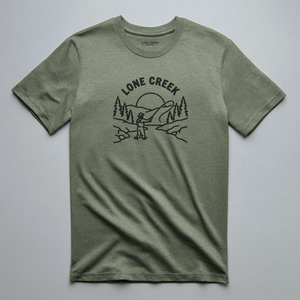
Quality cotton tees, like Lone Creek's t-shirts, sit in the lightweight cotton jersey category. They hold shape well through regular folding and recover from light creases without ironing, provided the folds are loose and the drawer is not overstacked.
For a fuller picture of how to look after cotton tees from wash to storage, the right drying and folding routine makes a noticeable difference over months of wear. Treating storage as part of overall garment care means clothes last longer and look better between washes.
Folding Techniques That Prevent Creases
The goal with any fold is to minimise hard crease lines while keeping the garment compact enough for your storage space. Here are the key garment types and what works.
T-shirts: Lay the shirt face-down. Fold one side inward to the centre, sleeve back on itself. Repeat on the other side. Fold the bottom up to meet the collar, loosely. The fold should have air in it, not be pressed flat. For drawers, a file-fold (folded so shirts stand upright rather than stacking flat) keeps them visible and avoids the weight problem entirely. For more detail on storing tees and keeping their shape, the key principles are looseness and visibility.
Hoodies and sweatshirts: Lay face-down. Fold the hood flat against the back. Fold each side inward, then fold loosely in half. Heavier cotton hoodies set crease lines faster than lighter garments, so avoid folding in thirds or compressing them under a tall stack. If you have the rail space, hanging on a broad-shouldered hanger works well for heavier pieces.
Knitwear and jumpers: Fold gently in half or thirds and lay flat. Never hang knitwear. The weight of wet or even dry wool pulls the garment downward from the shoulders, distorting the shape permanently over time. If your drawers are full, laying jumpers flat on a shelf is better than squeezing them into a tight stack.
Trousers and jeans: Fold along the existing crease line (most trousers have one from manufacturing). For jeans, a simple half-fold works. Denim is forgiving. Chinos and lighter woven trousers crease quickly, so hanging from a clip or over a padded hanger bar is the better option when space allows.
Rolling as an alternative: Rolling distributes pressure more evenly than a flat fold, which suits lightweight, stretchy fabrics like jersey t-shirts and base layers. For heavier or structured garments, a loose fold or hanging is more effective. Rolling is particularly useful for packing without wrinkles when travelling.
The KonMari file-fold method, where garments are folded into small rectangles and stored upright, works well for lighter items. It is one approach among several. The principle behind it, reducing stacking weight and keeping garments visible, matters more than following the exact technique.
Choosing the Right Hanger
The hanger matters as much as the decision to hang. A wire hanger from the dry cleaners can cause as many problems as folding badly, especially for heavier garments.
Shaped wooden or padded hangers suit structured items: coats, blazers, jackets. The broad shoulder profile supports the garment's shape without creating pressure points. For dress shirts and blouses, a shaped hanger with a slight curve at the shoulder prevents the fabric from bunching.
Clip hangers work well for trousers and skirts. Clip at the waistband, which is the strongest part of the garment, and let gravity keep the fabric smooth. For trousers without a waistband clip, fold over a padded hanger bar rather than draping from a thin rail.
Wire hangers cause problems because the thin profile concentrates weight at two narrow shoulder points. Over days, this creates bumps in the fabric that are difficult to remove without steaming. For heavier garments like winter coats, the effect is worse.
A practical tip: UK charity shops often have quality wooden and padded hangers for a fraction of new prices. A few good hangers are worth more than a rail full of wire ones.
Common Mistakes That Set Creases
Most creases are not caused by bad folding technique. They come from habits around timing, stacking, and storage that are easy to fix once you spot them.
| Mistake | Why It Causes Creases | Fix |
|---|---|---|
| Folding too tightly | Compresses fabric fibres at fold points; weight and time set the crease | Fold loosely, leave a little air in each fold |
| Overstacking drawers | Bottom items bear weight of everything above; creases pressed deeper | Keep stacks to 4-5 items; heavier items at bottom |
| Folding while still damp | Moisture helps fabric "remember" fold positions faster | Fold only when fully dry (or nearly, slightly warm is ideal) |
| Leaving clothes on the horse too long | Gravity pulls fabric into positions that set as wrinkles | Fold or hang promptly once dry |
| Using wire hangers for heavy garments | Thin wire creates shoulder bumps and stretches fabric | Use broad-shouldered or padded hangers for heavy items |
| Balling socks together | Stretches the elastic cuff over time | Fold socks flat, one over the other |
Timing is one of the most overlooked factors. Clothes left on the clothes horse overnight, or for several days, develop wrinkles from gravity alone. Folding or hanging promptly once items are dry prevents most of these. The method you use to dry your clothes also affects how creased they arrive at the folding stage, with tumble-dried items often needing less smoothing than air-dried ones that have hung unevenly.
Overstacking is the other common culprit. Four or five items in a drawer is manageable. Eight or ten, and the weight compresses the bottom garments enough to set firm fold lines within days. If you are running out of drawer space, shelf storage or a second set of drawers may do more for your clothes than any folding technique.
Common Questions About Folding and Hanging Clothes
Q: Is it better to fold or hang clothes?
A: It depends on the garment. Knitwear, t-shirts, and heavyweight cotton items generally do better folded, as hanging stretches them over time. Structured woven garments like dress shirts, blouses, and lightweight trousers stay crease-free longer when hung on appropriate hangers. The fabric type and garment weight determine which method works best, not a universal rule.
Q: Should you fold or hang t-shirts?
A: Fold them. Most t-shirts are lightweight cotton jersey or blends that can stretch at the shoulders on hangers, especially over time. A loose file-fold keeps them visible in the drawer without compressing the fabric enough to set creases. If you do hang them, use broad-shouldered hangers to avoid stretching.
Q: What actually causes creases in folded clothes?
A: Creases form when fabric fibres are compressed at fold points. Weight from stacking, moisture, heat, and time all help the crease set. Heavier fabrics and tighter folds crease faster. This is why folding loosely, avoiding overstacking, and folding promptly after drying all reduce creasing.
Q: How do you fold a hoodie without creating creases?
A: Lay the hoodie face-down, fold the hood flat against the back, fold each side inward, then fold loosely in half. The key is keeping the fold loose. Heavyweight cotton hoodies set crease lines faster than lighter garments, so avoid compressing them tightly or stacking too many on top.
Q: Does rolling clothes prevent wrinkles?
A: Rolling works well for lightweight, stretchy fabrics like jersey t-shirts, base layers, and thin knits. It distributes pressure more evenly than a flat fold, which can help with softer fabrics. For heavier or structured garments like woven cotton, hoodies, or trousers, a loose fold or hanging is usually more effective. Rolling is particularly useful for travel packing.